

There’s an old saying that the first casualty of war is the truth. We’re living through a time of war, so don’t be surprised when what the government tells you about a cyber attack isn’t the whole story. I don’t think that’s a scandal. It’s what I’d advise a government to do, and once you see why, you can stop waiting for the full story and get on with what you can control.
America’s Flights Stopped, and Officials Said It Wasn’t Hacking
On Friday 13 November every flight in the United States was grounded for more than four hours. FlightAware counted over 9,000 cancellations that day, and thousands more the next (CBS News). Within hours, Homeland Security Secretary Markwayne Mullin said there was no indication of a “nefarious act”. Transportation Secretary Sean Duffy blamed an old system whose routers had become overloaded with data, and asked Congress for billions to replace it.
That may well be true. CBS’s sources pointed at Cisco routers made between 2001 and 2006, and Mullin said new security patches seemed to have overwhelmed them. On the day, Mullin also said you always have to assume a cyber attack at first, and that the cause wasn’t yet known. By that evening he was saying there was no cyber attack.
If it were an isolated case, I’d believe it without a second thought. It isn’t. In September an Amtrak construction crew cut a fibre line in New Jersey and stopped flights into New York, Newark, Boston and Philadelphia. On Sunday 22 November a fault in the system Delta uses to work out each aircraft’s weight and balance held up its flights across the country, and the next day the FAA briefly stopped flights into Chicago O’Hare, blaming staffing at the local radar centre. Each explanation is plausible on its own. From the outside, nobody can tell whether there’s a pattern behind them, and if I were advising a government on keeping its people safe and calm, I’d tell it to say it wasn’t a cyber anything.
Britain Fixed Its Fridges in Secret
In October and November attackers got into the refrigeration controllers at supermarkets in France and across Europe and turned the temperatures up to 50°C. France blames Iran’s Revolutionary Guard, and Iran calls the accusation baseless. Whether it was Iran, Russia, China or North Korea makes little difference to us. All four are states we’re effectively at war with, and they want chaos and unrest in the West.
On 20 November Reuters reported that Britain had spent about three weeks fixing a flaw in the fridge and freezer systems used by supermarkets, warehouses and restaurants (Insurance Journal). Consultants at Omega Systems found it, and ethical hackers at Pen Test Partners found more openings and went to the security services. The National Cyber Security Centre (NCSC), which is part of GCHQ, warned the companies at risk, and they took their fridges off the open internet. Pen Test Partners said the work was done in secret so as not to alert hackers.
That was the government doing its job well, a few weeks before Christmas, when everyone is making a shopping list and checking it twice. We only heard about it once it was over.
Why They Keep Quiet
A war you can see is easy to explain. Bombs fall, and everyone knows what’s happening. A cyber war shows up as fridges at 50°C cooking the food instead of chilling it, lorries that don’t know where to go, and your favourite Christmas biscuits missing from the shelf. I’m being a little facetious, but that is what it looks like from the high street.
Tell people about every attack as it happens and you do part of the attacker’s work for them. The aim is panic, and panic doesn’t need much help. When the government’s Be Ready campaign asked households in October to hold three days of supplies, a calm and reasonable request, bottled water, beans and soup sold out at several retailers.
So the message we get amounts to this: please stock up, we can’t tell you more because we don’t want to frighten you or start a run on the shops, and trust us, we’re working on it. I find that unsettling. I also think they are working on it, and the fridge operation shows it. It just doesn’t play out in public, and you wouldn’t want it to. Watching it all live would leave most of us scared and powerless.
It’s Stepping Up
This has been going on for a while, and it’s getting more frequent. The more it steps up, the more denials we’ll hear, and the more often we’ll be asked to keep supplies at home. The shops won’t run out in the sense that the country has no food. But food that can’t find its way to the shelves might as well not exist.
What You Can Do
None of us can stop state hackers on our own. We can do two things.
- Make sure your own devices can’t be used against us. Change the default passwords on the doorbell, the cameras and the router, and switch on automatic updates. I covered how in Could Your Video Doorbell Stop a Supermarket Fridge Working?
- Soften the blow. Follow the government’s advice and keep food, medicine and water at home, with some backup power: a charged power bank, a torch and a battery radio. Power and food are what matter most.
Food matters because of how our supermarkets work. They run just in time: stock arrives daily, sized to each store’s demand, with little held in reserve. If deliveries stop for a few days or a week, because a system has been compromised or a warehouse is heating the food instead of chilling it, the shelves empty fast. There’s a fuller list in The Hacking Headlines Are True.
The Bottom Line
When officials say it wasn’t a cyber attack, it may be true, and it may be the kindest thing they can say. Either way the advice doesn’t change: secure the devices you own, and keep a few days of food, water, medicine and power at home.
What’s Your Experience?
Would you rather be told about every attack as it happens, or left to get on with your day? Tell me through social media.
If you’d like a hand securing the devices at home or in the office, book a call.
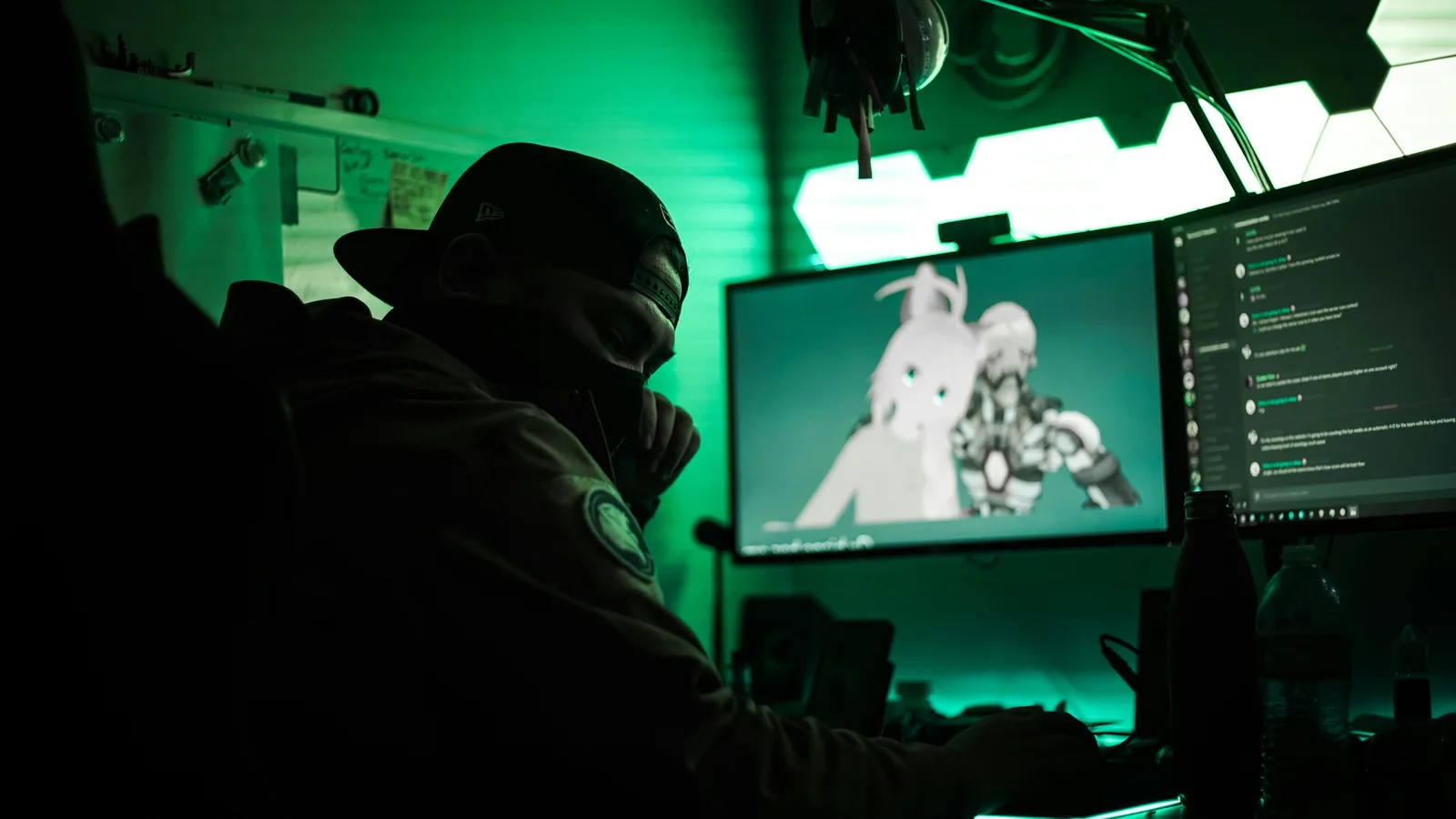
Photo by Jake Schumacher on Unsplash