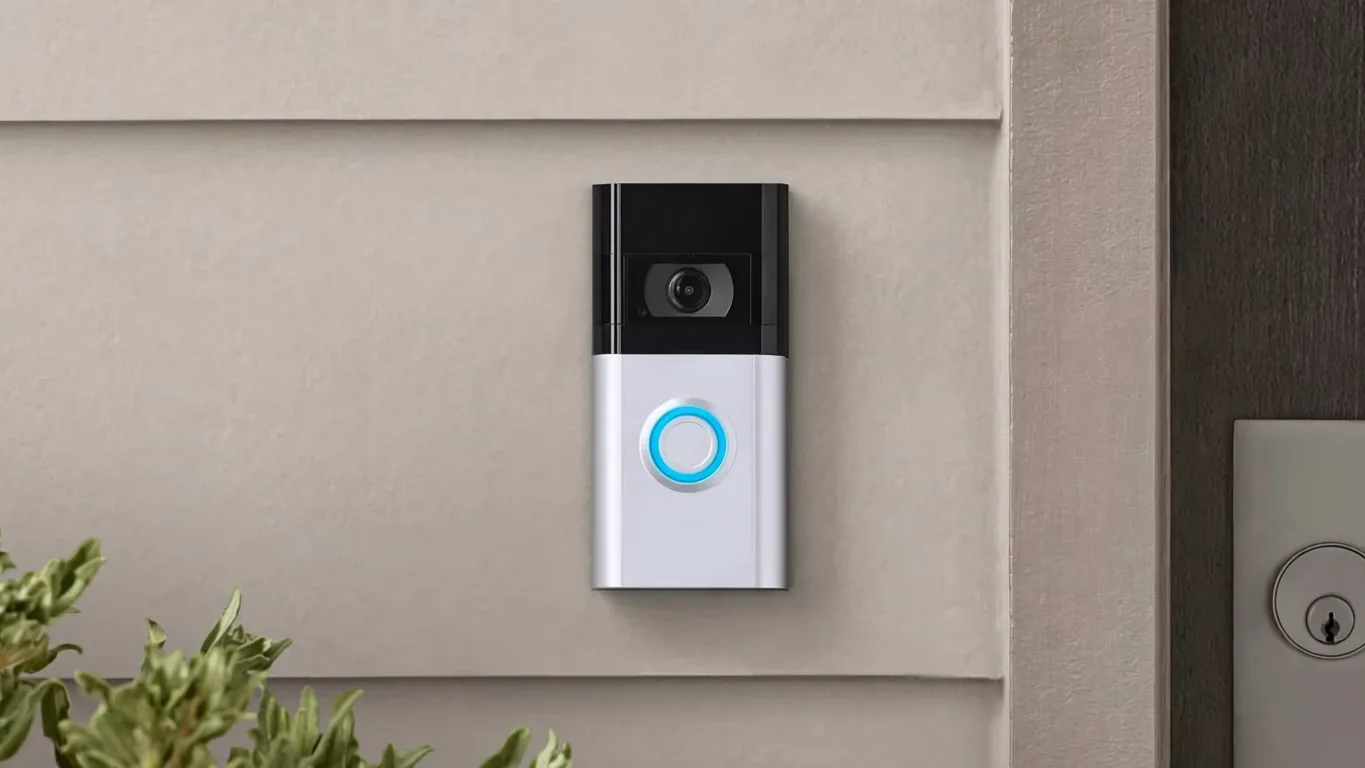
Your doorbell could play a part. Nobody has said the fridges hacked in France this autumn were reached through anyone’s doorbell, but they fell to the same weaknesses most home gadgets have, and hijacked gadgets are what attackers use to hide their tracks and to hit harder.
What Happened to the Fridges in France
On 11 and 12 October, someone got into the refrigeration controllers at about 700 French supermarkets and turned the temperatures up to 50°C. E.Leclerc, Intermarché, Carrefour, Monoprix and Coopérative U were all hit, and millions of euros’ worth of food went in the bin. On 2 November it happened again, this time to supermarkets in Belgium, Ireland, Sweden and other European countries.
France’s foreign minister, Jean-Noël Barrot, has blamed Iran’s Islamic Revolutionary Guard Corps, and Paris prosecutors have asked for international arrest warrants. Iran calls the accusation baseless. Whoever did it, the method was open to anyone: Russia, China, North Korea, or your neighbour’s son with a talent for hacking.
Getting in took little skill. Richard Horne, who runs the UK’s National Cyber Security Centre (NCSC), told reporters the French fridges were “connected directly to the internet with default passwords”. Danfoss, which made many of the controllers, said most of the affected systems were older products that no longer received security updates. Put a device on the open internet, leave its factory password in place, stop updating it, and anyone can walk in.
The Same Weakness Is on Your Front Door
A video doorbell is the kind of device you install and then forget you own. It works, so you never update its software and never change its password. You may not know it has a password at all, because the app’s only demand was that you sign up for a cloud subscription.
In the US, the Federal Trade Commission (FTC) says hackers broke into the accounts of around 55,000 Ring customers, by trying passwords leaked from other websites or guessing until one worked, and some watched the live camera feeds. The FTC said Ring had exposed its customers to “spying and harassment”. Ring paid $5.8 million to settle in 2023, and Amazon, which owns it, disagreed with the complaint and denied breaking the law.
Routers are the best-known case. Your BT Hub or Vodafone router came with a password on a card or a sticker, and those passwords have to come from somewhere. In 2008 a security researcher found that a BT Home Hub firmware update had made the router’s serial number its admin password, and that the hub would tell its serial number to any device on the home network that asked. Internet providers do at least tend to push updates to their routers automatically these days.
How a Doorbell Ends Up in a War
A hacked device rarely shows it. The attacker installs a small program you never see, and your doorbell carries on ringing while it waits for instructions. Thousands of hijacked devices answering to the same controller make up what’s called a botnet. One ant won’t hurt you. A million ants will ruin your afternoon. (Sorry, obscure AntMan reference - just watched it with my son)
Botnets do two jobs. The first is firepower: point a botnet at a website or a bank and the flood of junk traffic knocks it offline. In 2025 a botnet called Aisuru, made up largely of hijacked routers and internet-connected cameras, sent floods of up to 29.7 terabits a second, among the largest ever recorded. In March this year authorities took down Aisuru and three other botnets which between them had infected millions of devices, mostly home cameras and routers.
The second job is cover. An attack routed through your router looks, to its victim, as if it came from your house. Chinese state hackers known as Volt Typhoon used hundreds of hijacked home and office routers in the US this way, most of them old Cisco and Netgear models their makers had stopped updating, to hide while they broke into American critical infrastructure. The FBI wiped the malware off them remotely in December 2023 and warned that the routers stayed vulnerable.
Iran’s Revolutionary Guard has attacked industrial controllers before. In November 2023 hackers linked to it took over a water pumping station in Aliquippa, Pennsylvania through an Israeli-made controller left open to the internet, and its staff had to run the station by hand. Water and power depend on controllers like that too, and some of them, for reasons I can’t explain, sit on the public internet.
Why Anyone Would Bother
We live at a time of war, though not the kind where bombs fall on all of us. The shooting is in Ukraine and the Middle East. Britain supports Ukraine and is counted on America’s side against Iran, so Russia and Iran, with friends such as China and North Korea, attack us where it causes disruption and economic damage: power, water, banks, government and now the food on the shelves. Do enough of that, add fear and a well-run social media campaign, and you can stir up serious unrest. I wrote about the wider picture in The Hacking Headlines Are True.
Buy Fewer Connected Things
The first defence is at the till. If you own an internet-connected fridge: what are you doing? The same goes for washing machines and dehumidifiers. If anyone sells an internet-connected toaster, leave it on the shelf. Each of these is a small computer that needs patching for as long as it’s plugged in.
Keep Them Away From Your Laptop
Ideally, smart devices sit on a network of their own, cut off from everything else, so a hacked doorbell can’t jump to the laptop you do your banking on. You can get close to that at home without much expense.
Start with your router’s guest network, the one meant for visitors. Look for “guest Wi-Fi” or “guest network” in its settings or its app. Virgin Media’s Hub 5 has one; BT’s Smart Hub 2 doesn’t. Put the gadgets on the guest network and keep your laptops and phones on the main one. Some routers let guest devices see the main network anyway, so treat it as a help rather than a guarantee.
If your router has no guest network, or you’d rather not trust it, add a cheap second router. Second-hand is fine as long as its maker still issues updates, because an old router nobody patches is exactly what Volt Typhoon went looking for. Plug its internet port into your existing router, connect your laptops and phones to the new one, and leave the gadgets where they are. The new router hides everything behind it, so a hacked doorbell on the old network can’t see in. The catch is that casting to a smart TV, and apps that look for gadgets on your home network, may stop working.
If you’d like a hand setting either of these up, book a call or ask me through social media.
Switch On Automatic Updates
Turn on automatic software updates, often called firmware updates, on the doorbell and every other connected device in the house. While you’re in the settings, switch off any feature you don’t recognise or don’t need. When a maker stops issuing updates, as with the routers in Volt Typhoon’s botnet and the older controllers in France, replace the device. There’s more on this in Who Is Responsible for Your Security Updates?
Above All, Change the Default Password
A long string of numbers on the box looks safe, but many of these passwords are generated from a pattern, and anyone who works out the pattern can produce yours. Some are tied to the serial number. Manufacturers have treated security as an afterthought. It has got better, but not nearly enough.
UK law now helps with new kit. Since 29 April 2024, connected products sold here have had to come with a password unique to each device or set by you, and the regulations bar passwords based on serial numbers unless the maker scrambles them with accepted cryptography. Anything bought before then may still have the old kind.
Replace the default with something strong rather than memorable. Let a password manager generate a unique one and save it, and you won’t have to think about it again. If you don’t use a password manager yet, you should.
How Long Is Long Enough?
A good password is at least 21 characters long, mixes upper and lower case with a few special characters and a number or two, and doesn’t repeat characters.
Length counts for more than complexity. An eight-character password stuffed with capitals, symbols and numbers is now fairly easy to crack. If you don’t use a password manager, string four random words together, with dots or dashes between them and a capital letter or two. The NCSC recommends three random words. I’d use four, short enough to remember and long enough to make a difference. Make sure they’re random: no phrase from a book, and no clever pair of words you’re sure nobody else would think of.
The Bottom Line
The devices you forget about are the ones attackers want, because nobody is watching them. Change every default password and switch on automatic updates. Before you connect the next thing, the fridge included, ask whether it needs the internet at all.
What’s Your Experience?
If you own an internet-connected fridge, I’d like to hear why you bought it and how it’s going. Tell me through social media.
If you’d like a hand with the passwords and updates on your own devices, book a call.
Image: Ring